


About UIDiscovery · Canada
Every great design started by looking at one.
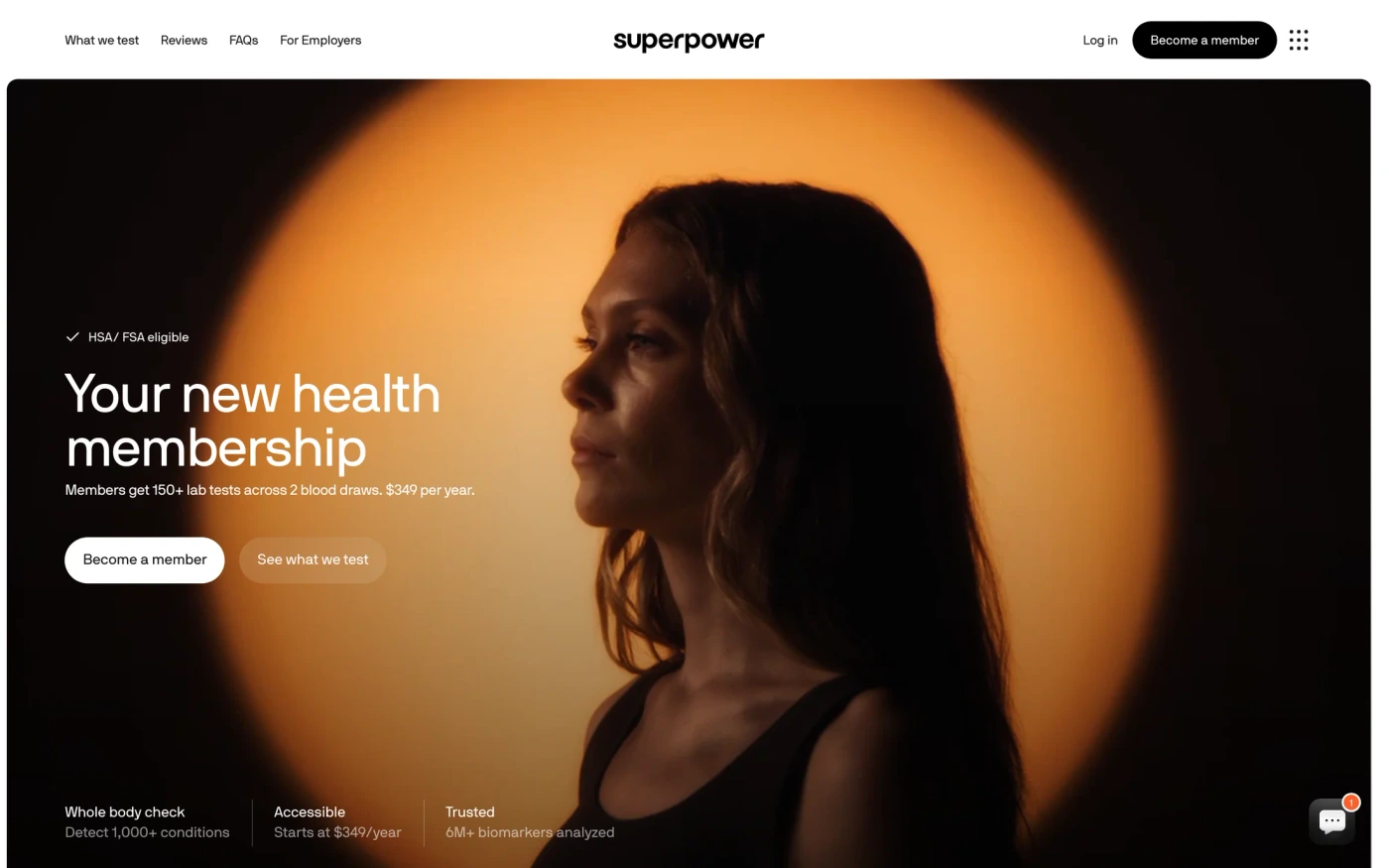
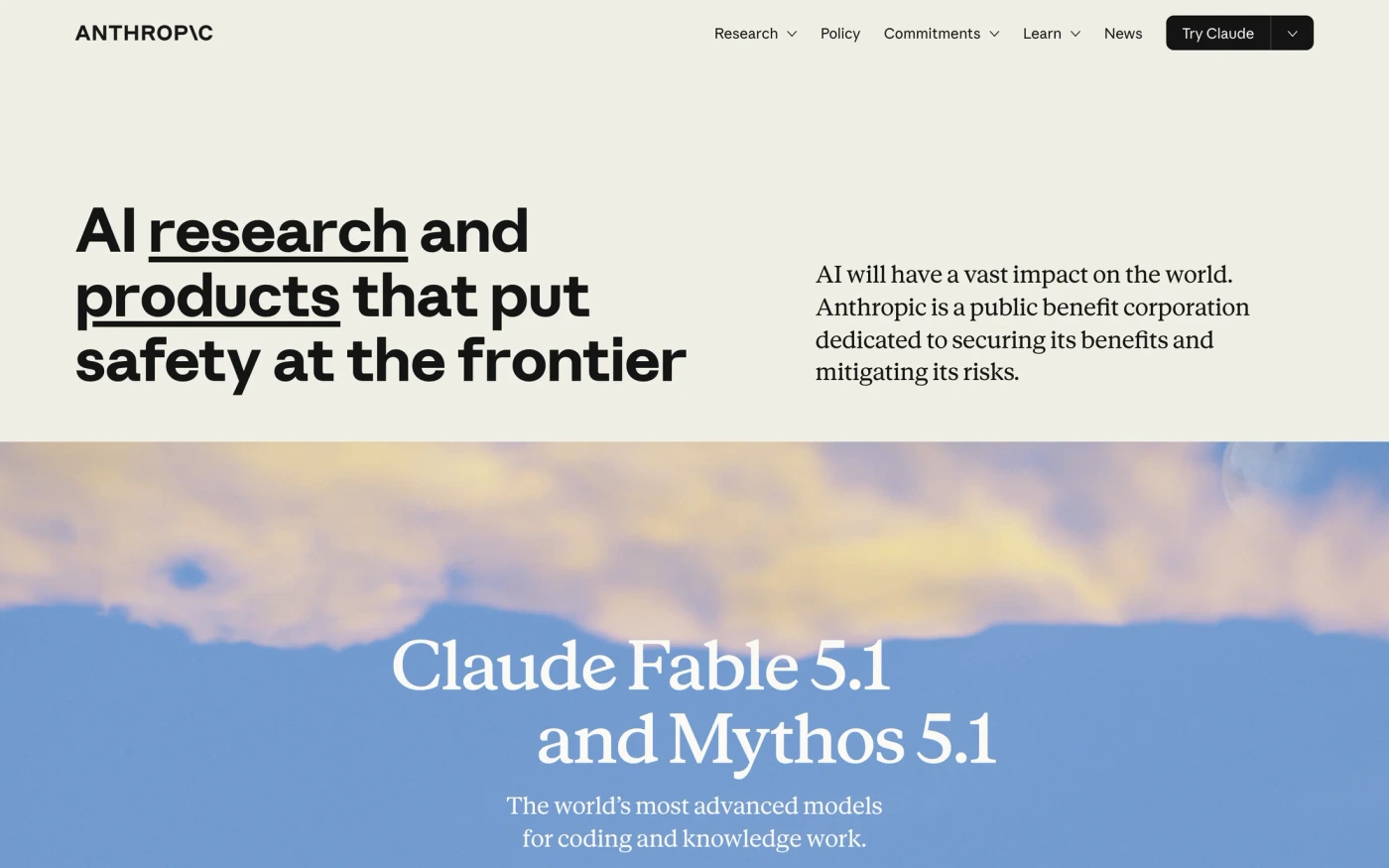
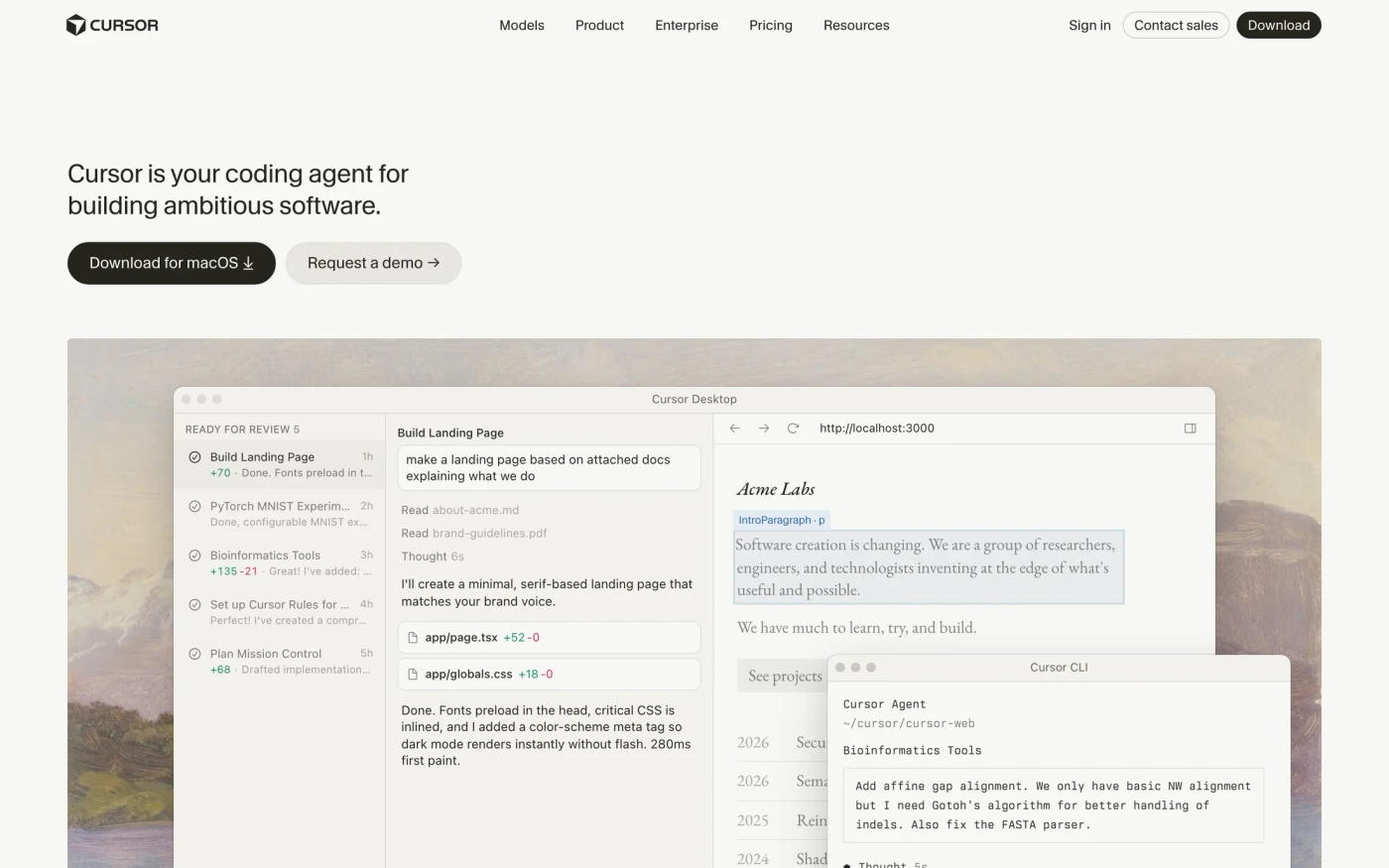
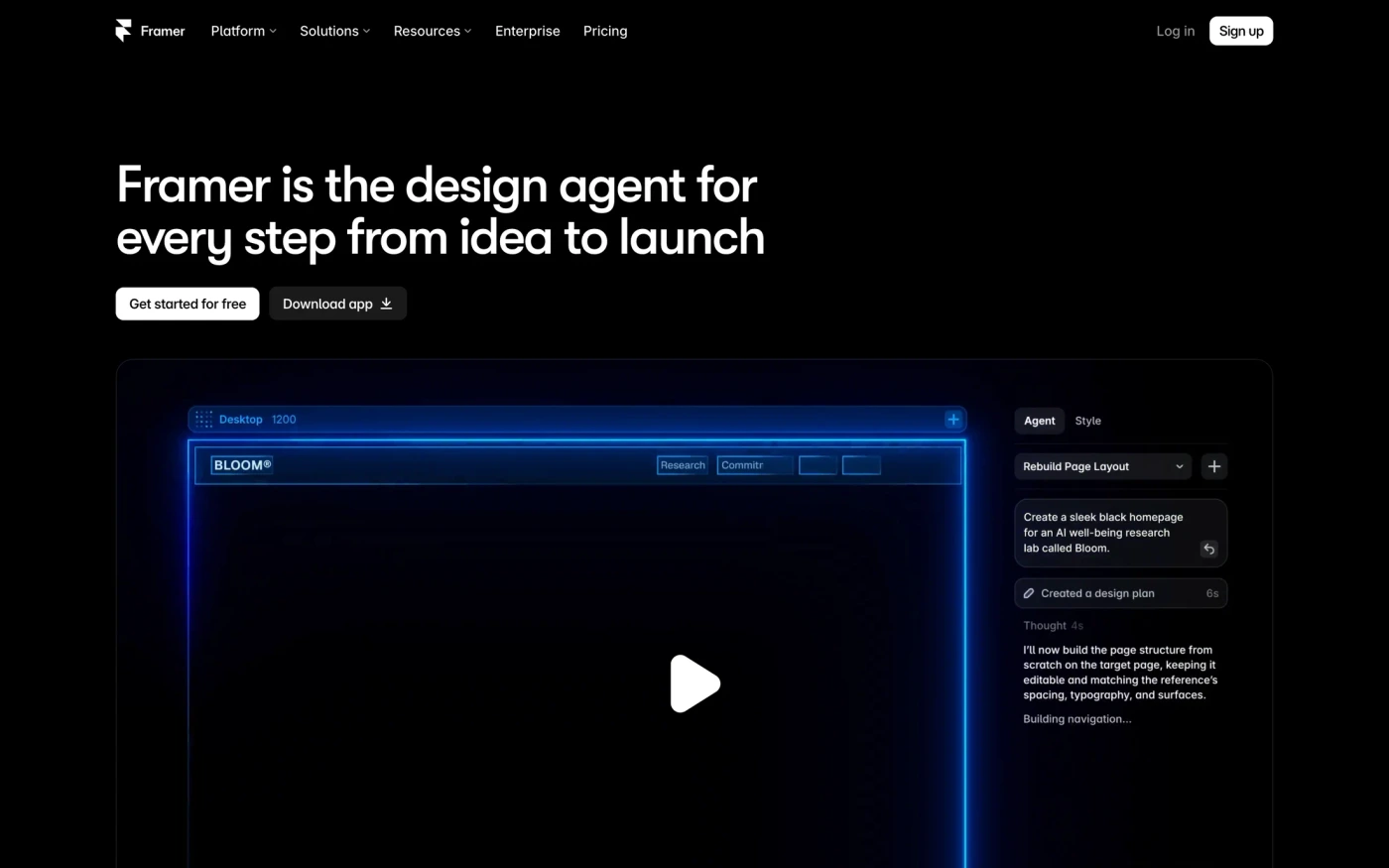
We built UIDiscovery for the designer staring at a blank canvas — and for the AI agent that's about to clone something because nobody showed it anything better. Real references. Public. Updated every day.
- Websites
- 2,642
- Web apps
- 62
- iOS apps
- 3,836
- references, cut and labelled
- 110,736
Why it exists
Agents could build anything. They had nothing to look at.
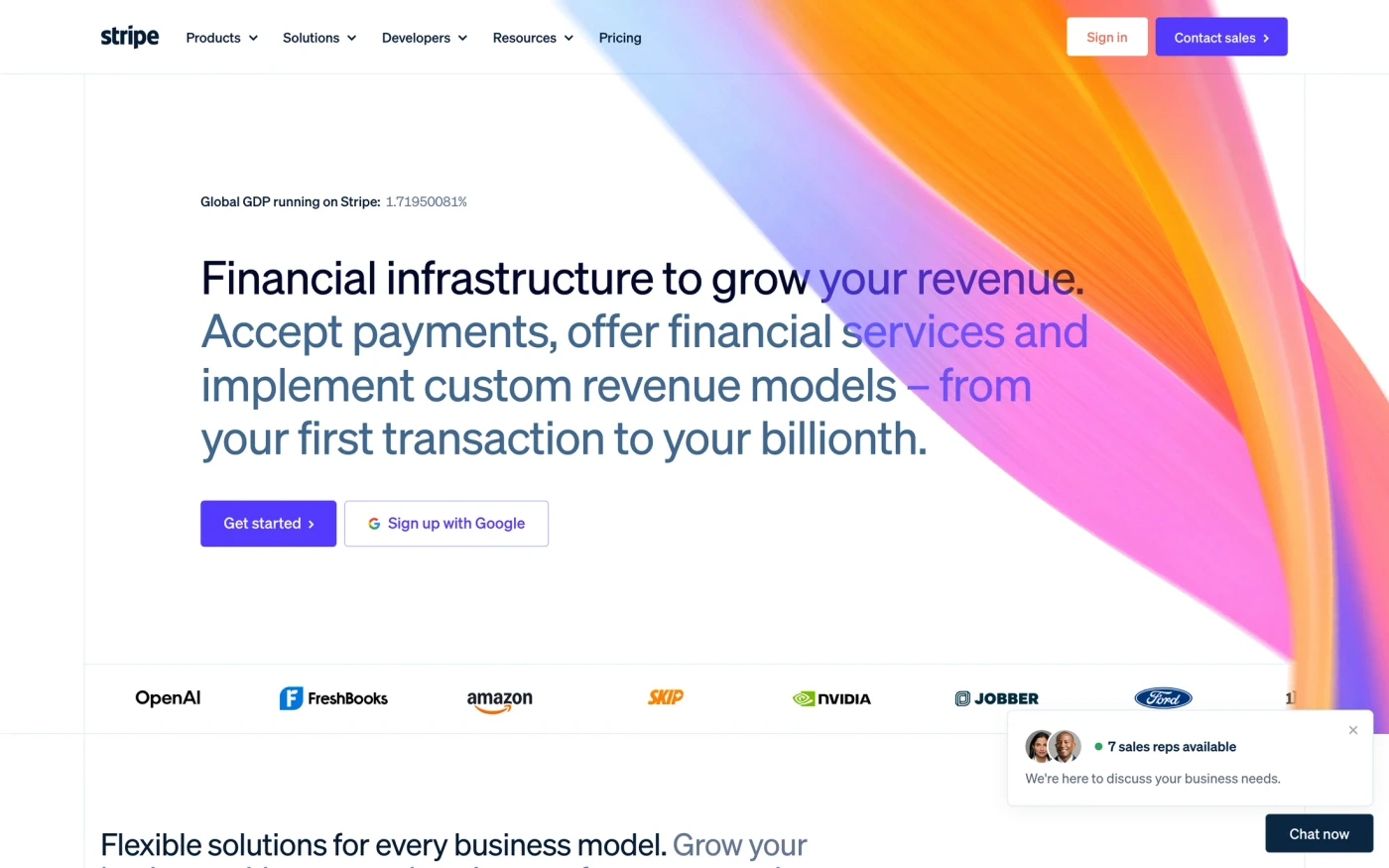
When AI agents learned to build a landing page from one sentence, we watched what they built. Ask for "a site like Stripe" and you get Stripe — same gradient, same nav, same words. Ask for something original and the agent has nothing to study, so it guesses.
Without references
IllustrationThe agent copies the surface — or falls back to the same safe layout as everyone else.
With references
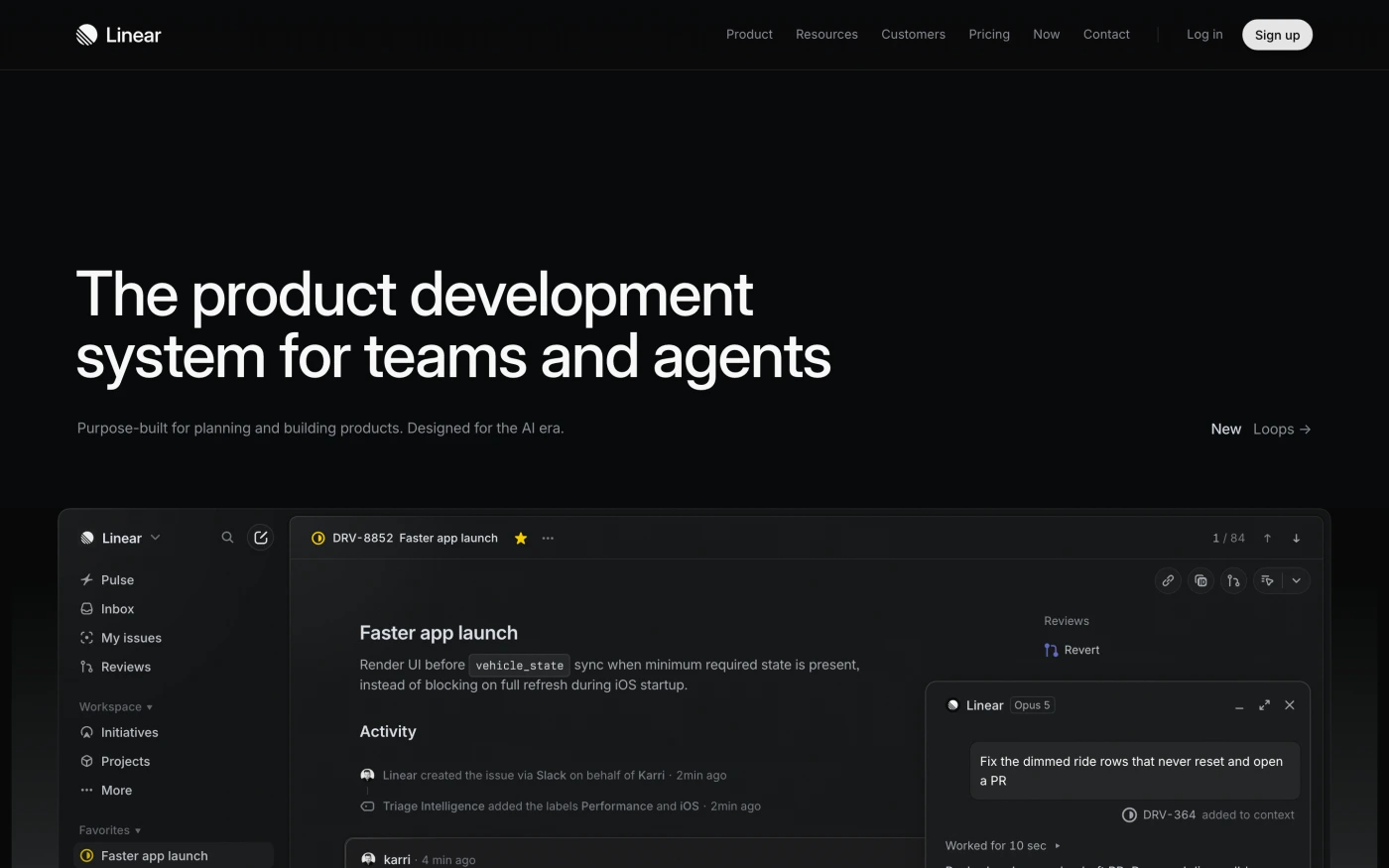
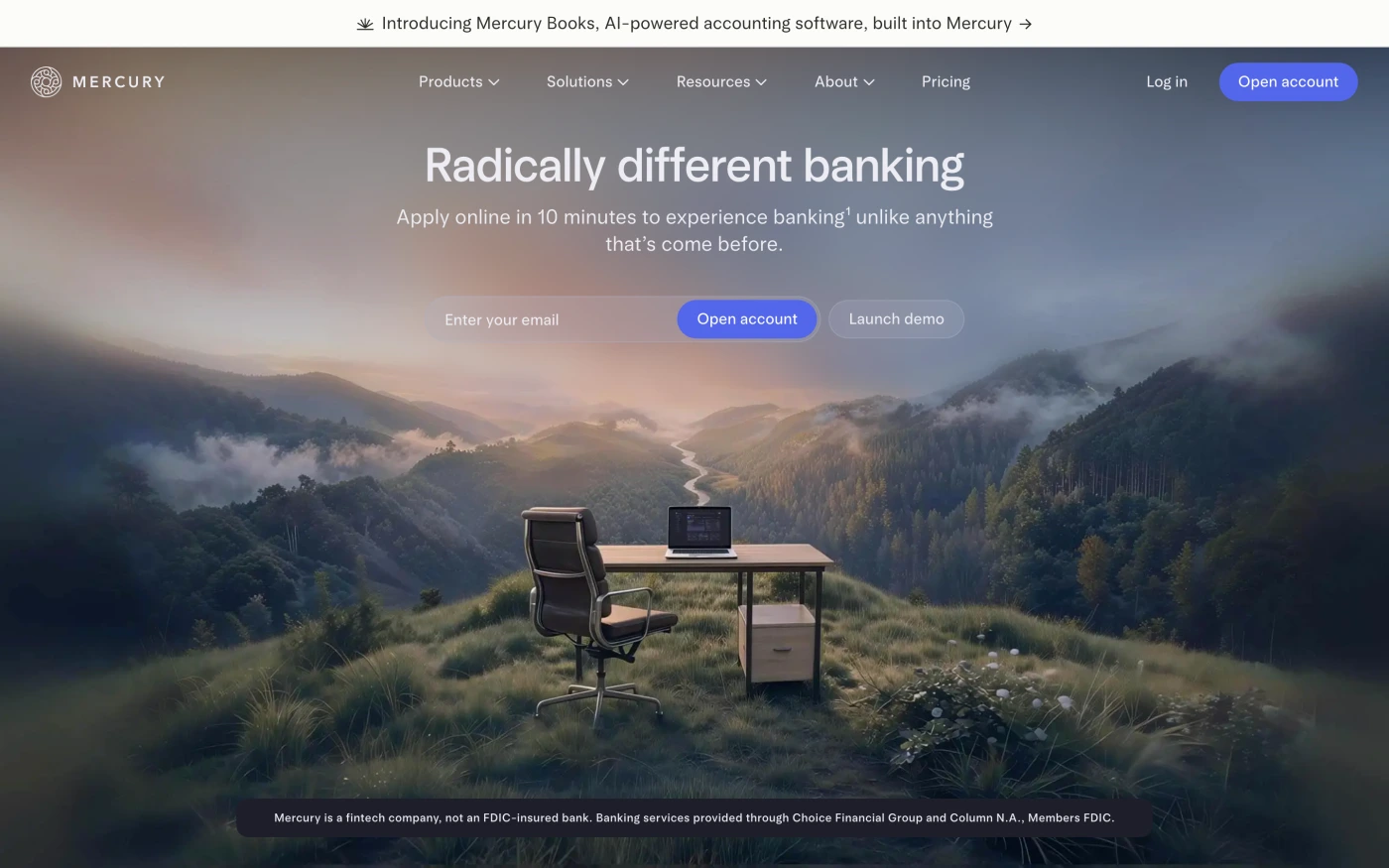
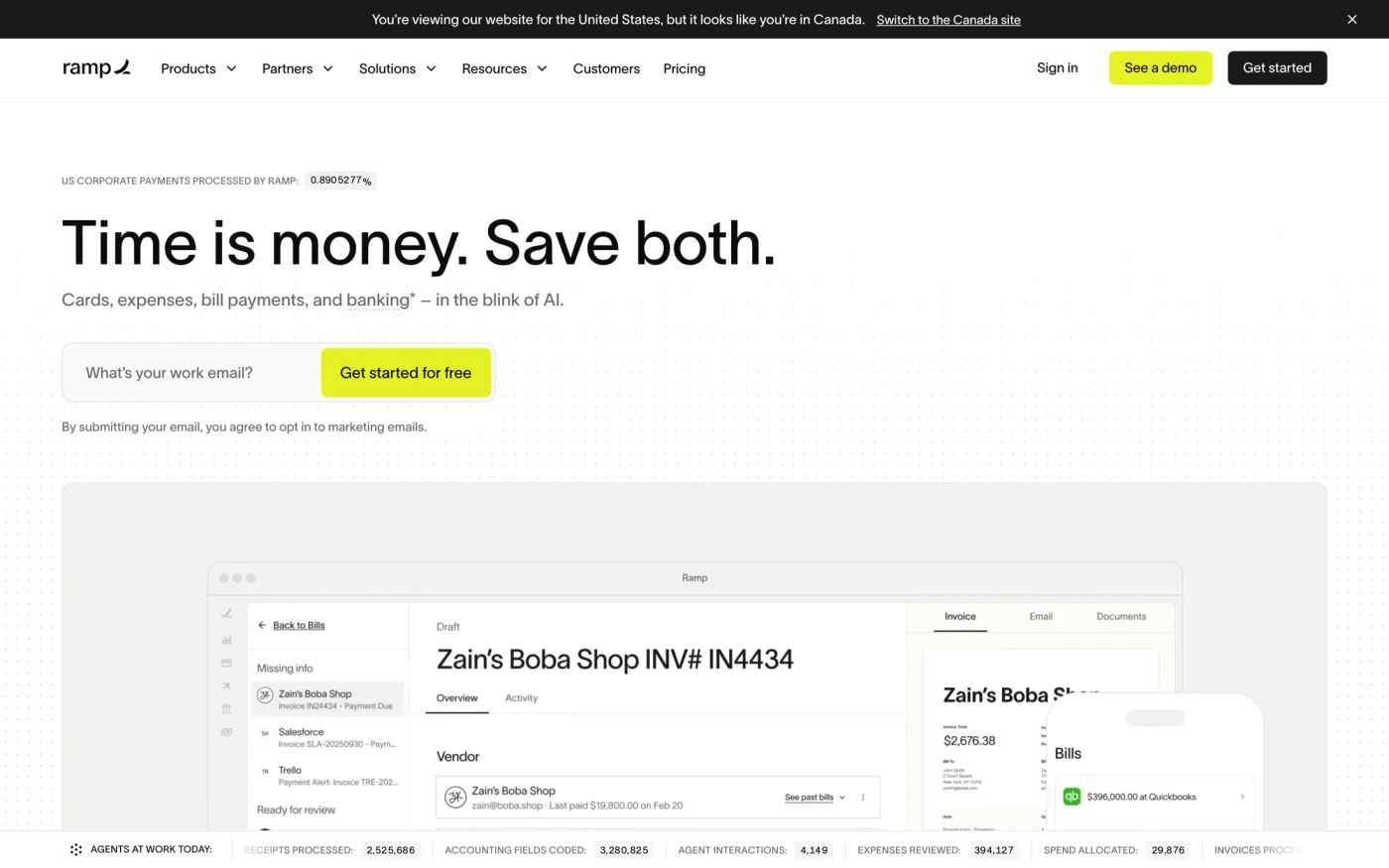
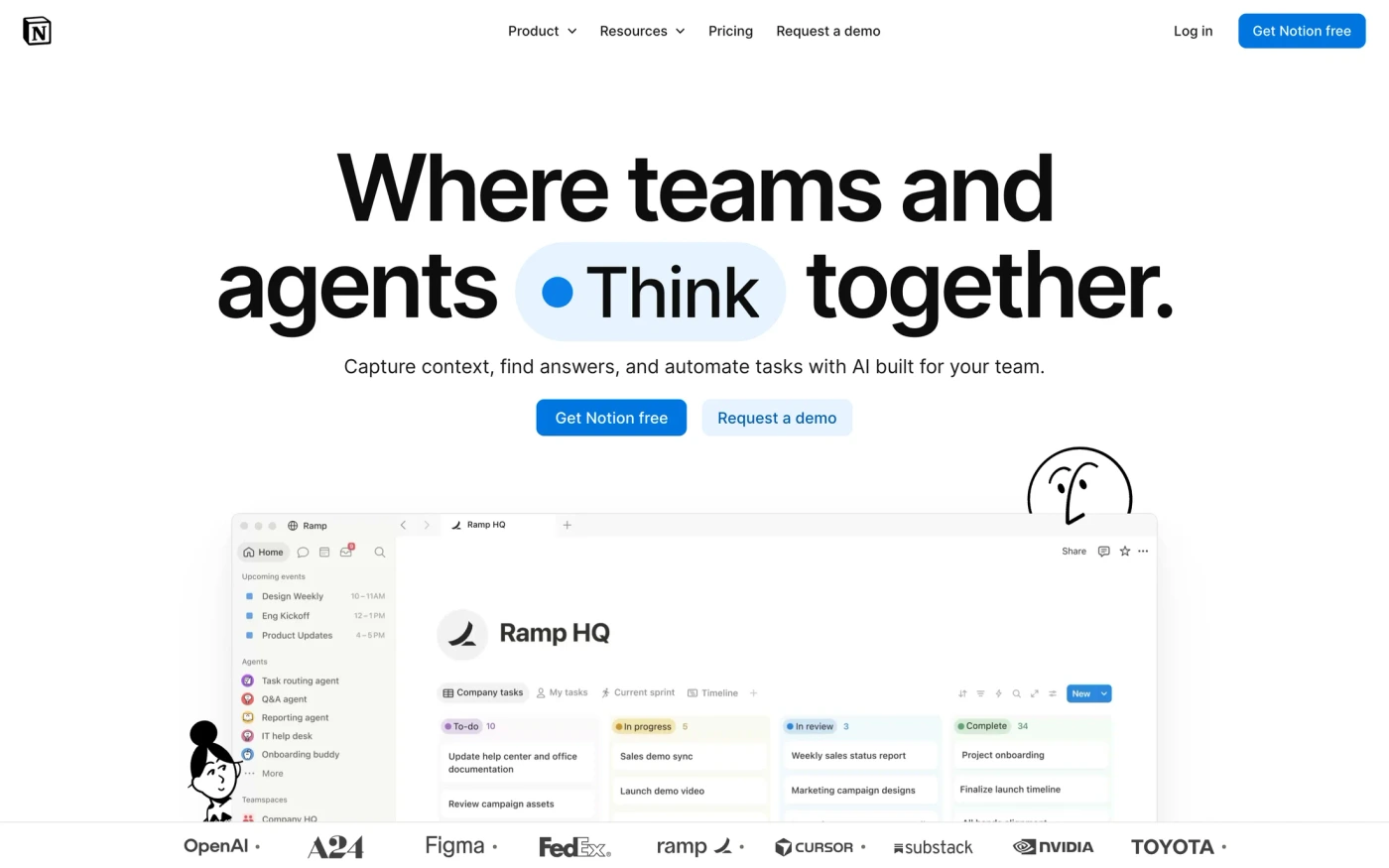
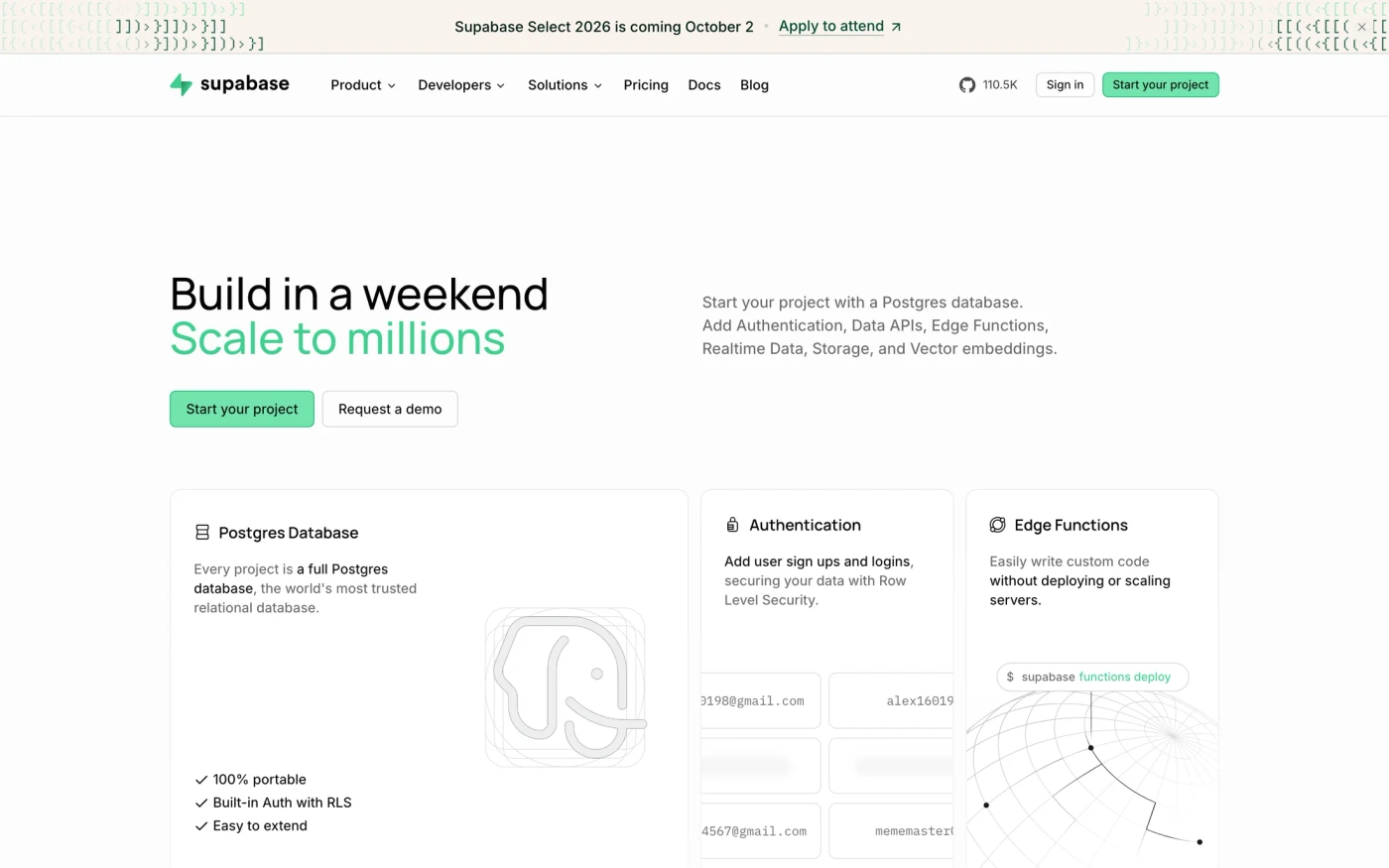
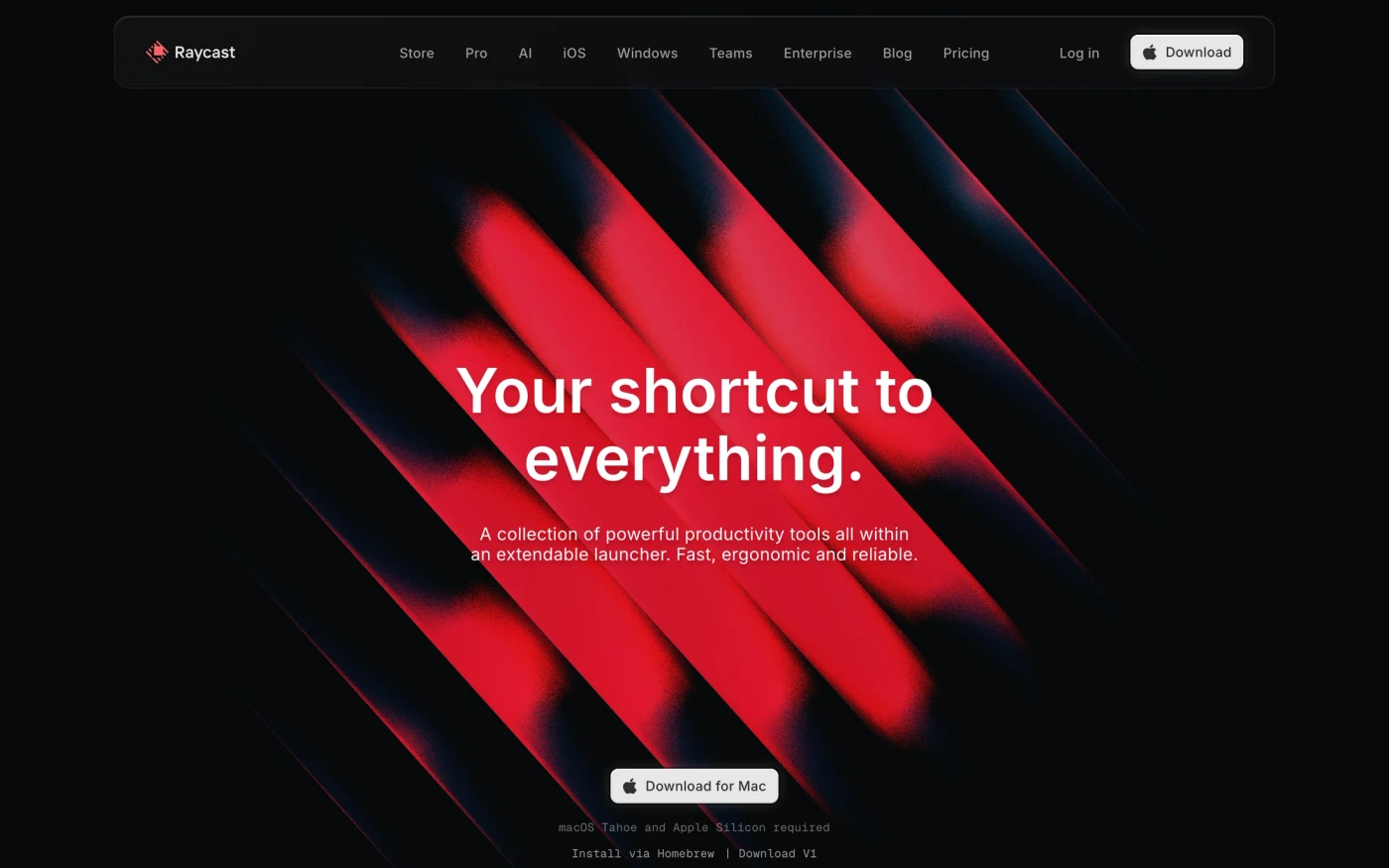
Real captures from the library


It studies real sections — layout, type, palette, pacing — then makes its own decisions.
“The problem wasn't the prompt. It was the references.”
Good designers start by looking — at how the best products lay out a hero, pace a pricing page, pick a typeface — then make their own choices. Agents had never been shown any of it.
So we built the library we wanted: real products, cut into sections, with their layout, type, colour and structure left in the open — for a designer to browse, or an agent to query before it builds.
What's in the library
Real, shipped products — cut into references you can use.
Each one comes with its palette, fonts and an AI-ready build prompt, and links back to the original.


How we capture
Public sources, captured with care.
- 01
The crawler
Websites and web apps are captured from public pages by our crawler. It screenshots each page, cuts it into sections — hero, pricing, footer — and reads the palette and fonts from the live styles.
- 02
App Store listings
iOS apps start from the screenshots developers publish on their public App Store pages, organised screen by screen and made searchable.
- 03
Our own recordings
Where a listing isn't enough, our team records and screenshots the app in use, so real flows — onboarding, checkout, settings — can be seen in order.
Some app collections are imported from third-party reference archives and are labelled as such. The designs belong to their owners, and any reference can be removed on request.
Sources & rights →Principles
Three things we won't compromise on.
 5 coloursAa · NotionInter01
References, not templates.
A template hands you someone else's decisions. A reference shows you the decisions, so you can make your own.
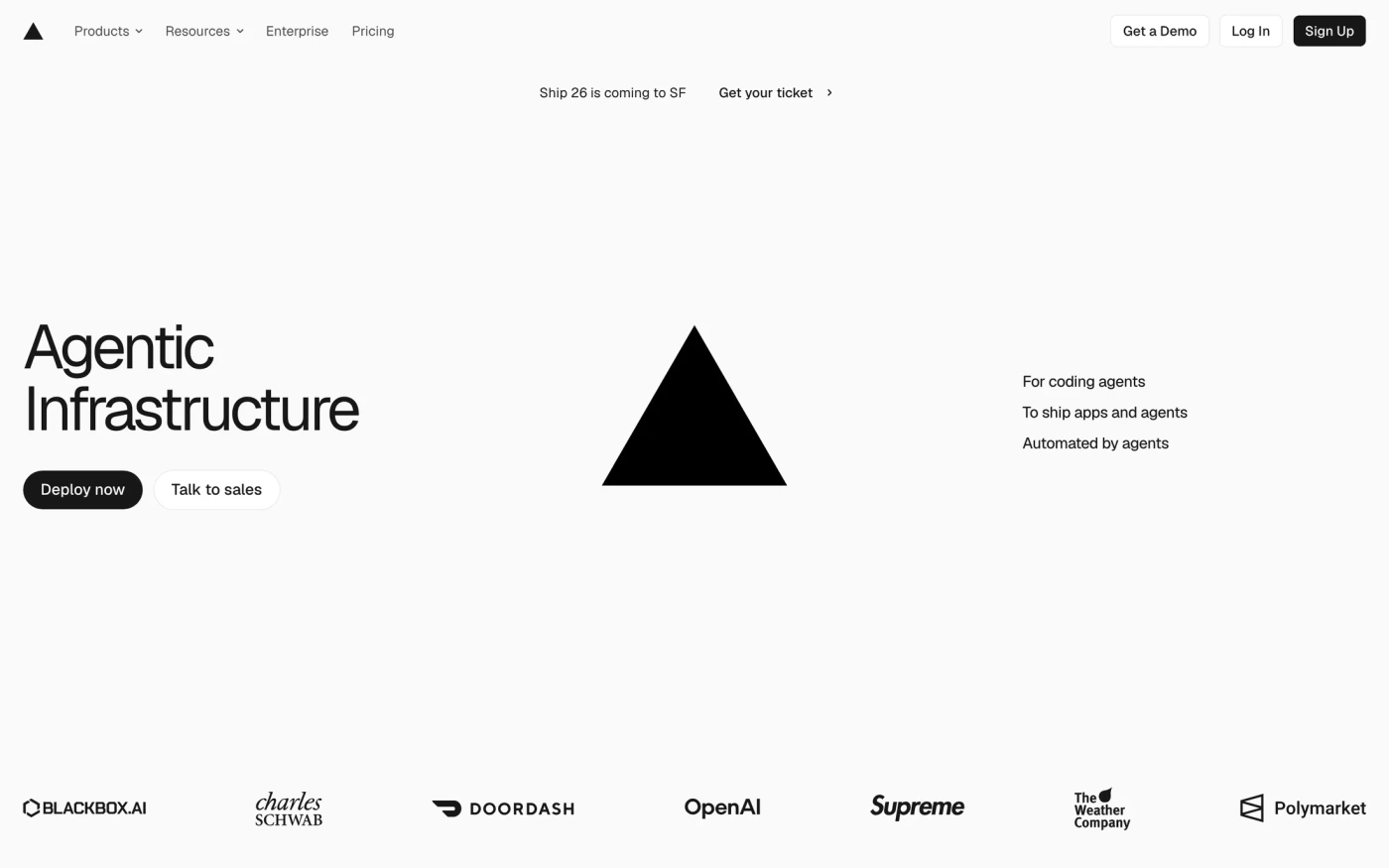
Vercel
Design belongs to its owner
Captured 2026-09-21 · public page
02Credited and removable.
Every reference names its product and links to its source. The designs belong to their owners, and any owner can ask us to take one down.
- MCP · UIDiscovery
search_sections({ query: "pricing table", limit: 3 }) // → sections with image, palette, // fonts, headings and links03For agents as much as people.
Designers browse; agents query. The same library is open through an API and an MCP server, so tools like Claude, Cursor or Codex can study before they build.
Company
More about UIDiscovery
- VisionWhere the product is going next.
- Sources & rightsWhere references come from, and how to request removal.
- Content removalRequest removal or correction of a reference.
- PrivacyWhat we store, what we send, and what we don't.
- TermsThe rules for using the site, API and MCP server.
- CareersWork on the library with us.
- API & MCPConnect the library to Claude, Cursor or Codex.